Skip to content
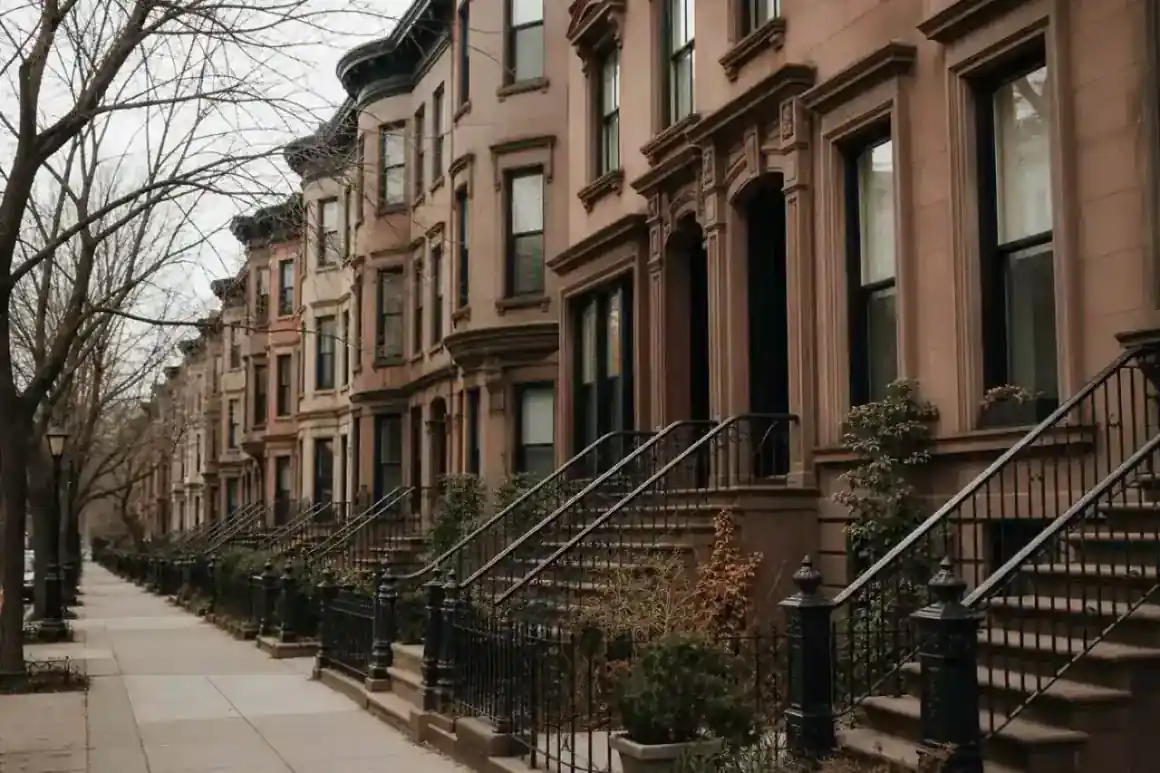
A row of Brooklyn brownstones.
All writing

Published in Case Anatomy

What Buyers and Sellers Miss in Brooklyn Townhouse Comps

Brooklyn townhouse comps break when buyers ignore width, lot depth, condition, rental income, facade, landmark rules, and outdoor space.

Ask Frank

Brooklyn townhouse comps look simple until you put two houses on the same block next to each other. Then the differences start doing the work: width, lot depth, facade, condition, rental units, outdoor space, landmark restrictions, and the kind of buyer each house can attract.

Width changes everything

A few feet of width can change how a house lives. It affects room proportion, stair placement, furniture, light, and the feeling of generosity. Buyers feel that difference immediately, even if the spreadsheet treats the homes as close cousins.

Condition is not one category

Renovated, dated, and gut-renovation are too blunt. A house can have an expensive kitchen and still need systems work. Another can look tired but have a clean structure, good mechanicals, and a layout worth keeping.

Rental units change the buyer pool

A legal rental unit can support carrying costs, but it also changes how buyers think. Some want income. Some want a single-family conversion. Some do not want management responsibilities at all. The comp has to match the buyer pool, not just the bedroom count.

The best comp tells you what the buyer valued

A useful townhouse comp reveals why a buyer acted. Was it the block, the width, the renovation, the rental income, the school zone, the outdoor space, or the chance to create something? Once you know that, the pricing conversation gets cleaner.


Private list

Get the useful version of the market.

Occasional notes on pricing, search, board risk, and the decisions that change a Manhattan deal.

No drip campaign. Just useful writing when there is something worth sending.

First conversation

Sit down with Frank.

Tell Frank what you’re weighing. He’ll give you a clear read on price, timing, and next steps across Manhattan and Brooklyn.

  • A pricing read grounded in recent comps
  • Advice on selling, buying, or waiting
  • Frank from first conversation to close

Frank replies himself. No assistant handoff.

15+ years in NYC · Co-ops, condos, townhouses · Manhattan + Brooklyn

Frank Suriano talking with a client on a brownstone stoop

Keep reading

More from the blog.

Read the blog
Manhattan building skyline detail.
Case Anatomy

What a Building's Sales History Tells You Before You Bid

The building is part of the asset. Recent sales, line history, policies, financials, and resale patterns should shape the offer before a buyer signs.

Frank Suriano
Buyers emerging from a Manhattan subway station
Case Anatomy

Buying an Apartment in Manhattan: What Serious Buyers Should Know First

A Manhattan purchase is not just a search. It is a sequence of decisions about financing, building quality, offer strength, board risk, closing costs, and resale.

Frank Suriano
Wood-paneled room set for a board meeting
Case Anatomy

Manhattan Co-op Board Approval: What Buyers Should Prepare Before They Offer

Board approval starts before the package. Buyers need clean finances, a coherent story, and a building choice that fits their profile.

Frank Suriano